Essential Tips for Effective Poster Printing That Astounds Your Target Market
Creating a poster that genuinely captivates your audience needs a strategic strategy. You need to understand their choices and passions to tailor your layout successfully. Picking the best size and layout is essential for visibility. High-quality pictures and strong typefaces can make your message attract attention. There's even more to it. What regarding the emotional effect of color? Allow's discover just how these aspects work with each other to create an impressive poster.
Understand Your Audience
When you're making a poster, comprehending your audience is necessary, as it shapes your message and design choices. Assume regarding who will certainly see your poster.
Next, consider their rate of interests and demands. If you're targeting trainees, involving visuals and memorable expressions may get their focus even more than official language.
Finally, think of where they'll see your poster. Will it remain in a busy corridor or a quiet café? This context can influence your design's shades, font styles, and design. By maintaining your target market in mind, you'll create a poster that effectively connects and astounds, making your message remarkable.
Select the Right Size and Style
Exactly how do you choose on the right dimension and format for your poster? Begin by considering where you'll display it. If it's for a huge occasion, choose a larger dimension to guarantee presence from a range. Think of the space offered as well-- if you're limited, a smaller sized poster may be a far better fit.
Following, pick a style that matches your content. Horizontal styles function well for landscapes or timelines, while vertical styles fit pictures or infographics.
Do not fail to remember to inspect the printing options available to you. Lots of printers provide basic dimensions, which can save you time and money.
Ultimately, maintain your target market in mind. By making these options carefully, you'll produce a poster that not just looks terrific however additionally successfully interacts your message.
Select High-Quality Images and Videos
When creating your poster, choosing premium photos and graphics is essential for a specialist appearance. See to it you select the ideal resolution to avoid pixelation, and take into consideration using vector graphics for scalability. Do not fail to remember about shade equilibrium; it can make or break the general allure of your style.
Choose Resolution Carefully
Choosing the best resolution is important for making your poster stand out. If your pictures are reduced resolution, they might appear pixelated or blurred as soon as published, which can lessen your poster's impact. Investing time in selecting the ideal resolution will pay off by developing an aesthetically spectacular poster that records your target market's interest.
Make Use Of Vector Video
Vector graphics are a video game changer for poster design, offering unparalleled scalability and top quality. Unlike raster pictures, which can pixelate when bigger, vector graphics maintain their sharpness no matter the dimension. This means your layouts will look crisp and specialist, whether you're publishing a tiny leaflet or a substantial poster. When creating your poster, pick vector files like SVG or AI styles for logos, symbols, and pictures. These styles enable for very easy adjustment without losing top quality. Additionally, make specific to include top notch graphics that straighten with your message. By using vector graphics, you'll ensure your poster mesmerizes your audience and attracts attention in any setup, making your design initiatives genuinely rewarding.
Think About Color Balance
Color equilibrium plays an essential function in the total effect of your poster. As well lots of bright shades can overwhelm your target market, while dull tones might not order attention.
Selecting high-grade pictures is crucial; they must be sharp and vibrant, making your poster aesthetically appealing. Stay clear of pixelated or low-resolution graphics, as they can interfere with your professionalism. Consider your target market when picking colors; various shades evoke different emotions. Finally, examination your color choices on various screens and print formats to see exactly how they translate. A well-balanced color scheme will make your poster stand out and reverberate with viewers.
Select Vibrant and Readable Fonts
When it concerns typefaces, dimension actually matters; you want your message to be quickly readable from a range. Restriction the number of font kinds to keep your poster looking clean and expert. Do not forget to use contrasting shades for clearness, guaranteeing your message stands out.
Font Dimension Issues
A striking poster grabs attention, and typeface size plays a crucial role in that preliminary impression. You want your message to be easily readable from a distance, so select a font style size that stands apart. Typically, titles need to be at least 72 factors, while body text need to range from 24 to 36 points. This assures that also those that aren't standing close can comprehend your message swiftly.
Don't ignore pecking order; larger sizes for headings guide your target market via the information. Bold fonts improve readability, particularly in hectic environments. Ultimately, the best font style dimension not only draws in audiences yet also keeps them involved with your content. Make every word count; it's your chance to leave an effect!
Limit Typeface Kind
Picking the best font style kinds is necessary for ensuring your poster grabs interest and effectively interacts your message. Stick to regular font sizes and weights to create a hierarchy; this helps lead your audience with the details. Keep in mind, clarity is vital-- selecting strong and readable fonts will make your poster stand out and maintain your target market involved.
Contrast for Quality
To guarantee your poster records focus, it is critical to utilize bold and readable font styles that produce strong comparison versus the history. Choose colors that stand out; for example, dark message on a light background or the other way around. This contrast not only improves presence but additionally makes your message easy to absorb. Avoid intricate or excessively ornamental fonts that can puzzle the viewer. Rather, go with sans-serif fonts for a modern appearance and maximum readability. Adhere to a few font dimensions to establish hierarchy, utilizing larger message for headings and smaller sized for information. Remember, your objective is to communicate rapidly and effectively, so clearness should constantly be your concern. With the appropriate typeface options, your poster will beam!
Utilize Color Psychology
Colors can evoke emotions and affect understandings, making them an effective device in poster style. When you select shades, consider the message you desire to communicate. For example, red can instill exhilaration or seriousness, while blue frequently advertises count on and calmness. Consider your audience, too; various societies might translate shades uniquely.
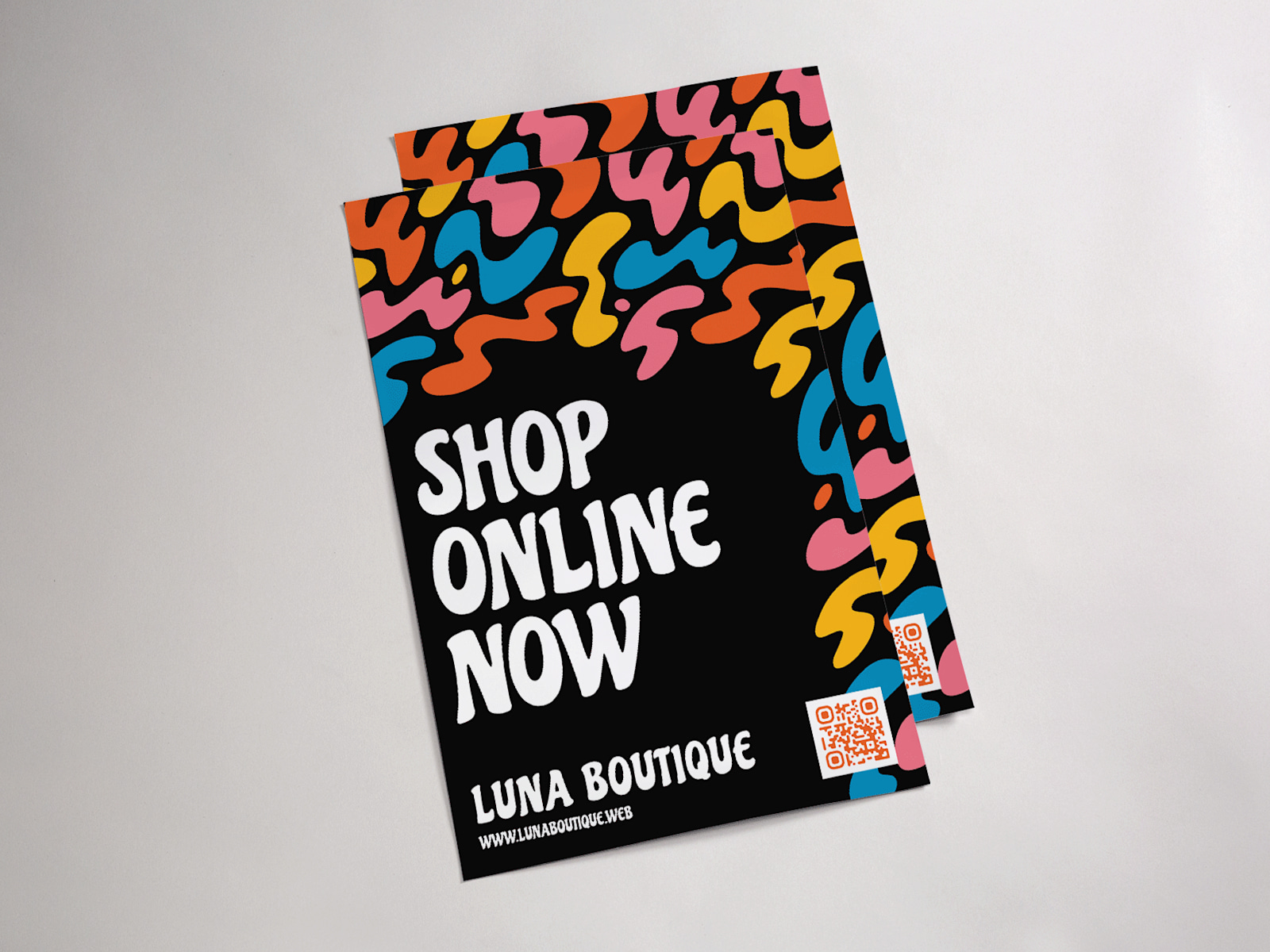
Remember that shade mixes can influence readability. Eventually, making use of shade psychology successfully can produce a long lasting impression and draw your audience in.
Integrate White Area Properly
While it may seem counterintuitive, incorporating white space properly is crucial for a successful poster design. White space, or adverse room, isn't simply empty; it's a powerful aspect that boosts readability and focus. When you give your message and photos room to breathe, your audience can conveniently digest the details.
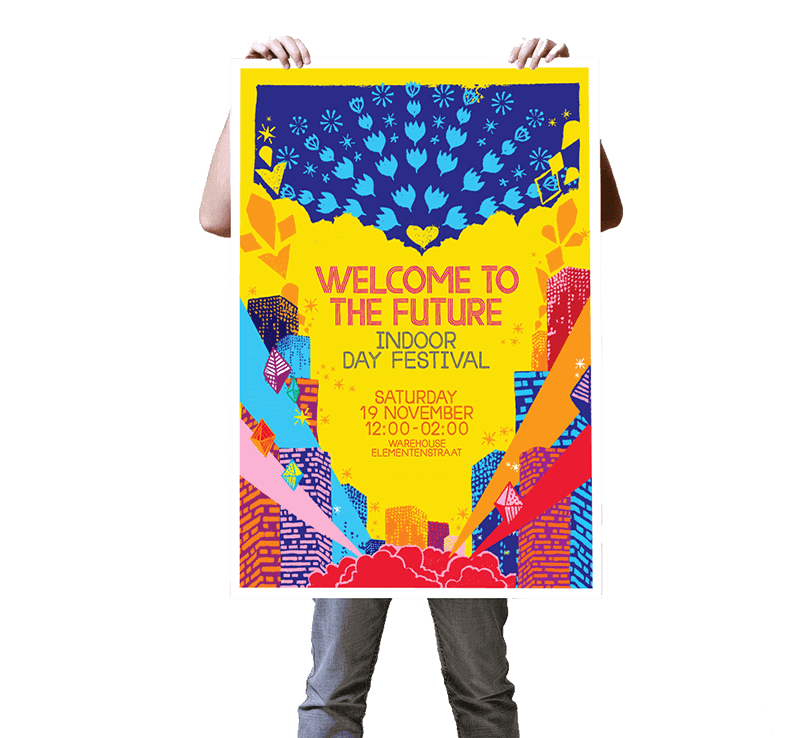
Usage white area to create an aesthetic power structure; this guides the viewer's eye to one of the most fundamental parts of your poster. Keep in mind, much less is often extra. By grasping the art of white area, you'll create a striking and effective poster that click here captivates your audience and connects your message clearly.
Consider the Printing Materials and Techniques
Picking the right printing products and techniques can considerably improve the total effect of your poster. If your poster will certainly be displayed outdoors, choose for weather-resistant materials to assure durability.
Following, think of printing strategies. Digital printing is fantastic for vivid colors and fast turnaround times, while countered printing is optimal for large quantities and consistent quality. Do not neglect to discover specialty coatings like laminating or UV finishing, which can shield your poster and add a polished touch.
Lastly, review your budget. Higher-quality products commonly come at a premium, so equilibrium top quality with price. By thoroughly selecting your printing materials and strategies, you can produce a visually sensational poster that effectively interacts your message and captures your target market's interest.
Often Asked Concerns
What Software Is Ideal for Designing Posters?
When creating posters, software application like Adobe Illustrator and Canva sticks out. You'll locate their user-friendly interfaces and considerable devices make it easy to develop spectacular visuals. Try out both to see which matches you finest.
Exactly How Can I Ensure Shade Accuracy in Printing?
To guarantee shade precision in printing, you must calibrate your monitor, use color profiles particular to your printer, and print test samples. These actions aid you attain the dynamic colors you envision for your poster.
What File Formats Do Printers Favor?
Printers typically choose documents formats like PDF, TIFF, and EPS for their premium output. These formats maintain clarity and color stability, ensuring your design festinates and expert when printed - poster printing near me. Stay clear of utilizing low-resolution styles
Exactly how Do I Calculate the Print Run Quantity?
To compute your print run quantity, consider your audience size, budget plan, and distribution strategy. Estimate the amount of you'll require, factoring in possible waste. Adjust based on past experience or similar jobs to guarantee you fulfill need.
When Should I Start the Printing Refine?
You must begin the printing procedure as quickly as you settle your layout and collect all required authorizations. Preferably, permit sufficient lead time for revisions and unanticipated hold-ups, aiming for a minimum of two weeks prior to your due date.